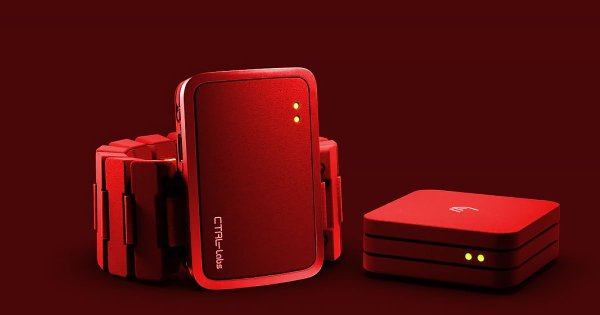
In a move that underscores its long-term ambitions in wearable technology, Facebook has acquired CTRL-labs, a New York-based startup focused on neural input systems. Bloomberg reported the deal could be worth close to $1 billion, though the companies have not disclosed official terms.
CTRL-labs has been developing a wristband that detects electrical impulses from muscle fibers—such as those in the forearm—and translates those signals into digital commands. Unlike brain-computer interfaces that aim to decode thoughts, this device reads the peripheral nervous system, allowing users to control virtual objects or avatars without a keyboard or mouse. The technology could eventually pair with augmented or virtual reality glasses, a direction Facebook has been exploring.
Facebook's interest in neural interfaces is not new. The company first revealed its own brain-computer interface project at its F8 developer conference in 2017. That initiative focuses on a non-invasive wearable that would let users type by imagining themselves speaking. However, that system remains in early research stages, and the acquisition of CTRL-labs brings a more mature technology into Facebook's portfolio.
The purchase also highlights the technical challenges inherent in developing devices that can interpret neural signals without requiring surgical implants. While invasive brain implants offer higher fidelity, they carry significant medical risks. Non-invasive alternatives, like CTRL-labs' bracelet, offer a safer but less direct approach, reading signals from the body rather than the brain itself.
Antitrust Scrutiny Looms
The timing of the acquisition is notable. Earlier this month, attorneys general from multiple U.S. states announced they were opening antitrust investigations into Facebook. That scrutiny is likely to extend to acquisitions like this one, as regulators examine whether large tech companies are using buyouts to stifle competition. The deal could face additional review, though no formal objections have been raised so far.
For now, CTRL-labs' technology remains in development, and Facebook has not announced a timeline for consumer products. The company's broader vision includes integrating such input methods into its AR and VR hardware, which could eventually replace traditional controllers. Whether that vision materializes will depend on continued technical progress and regulatory clearance.