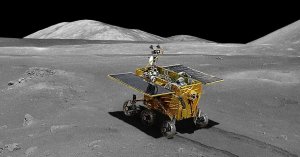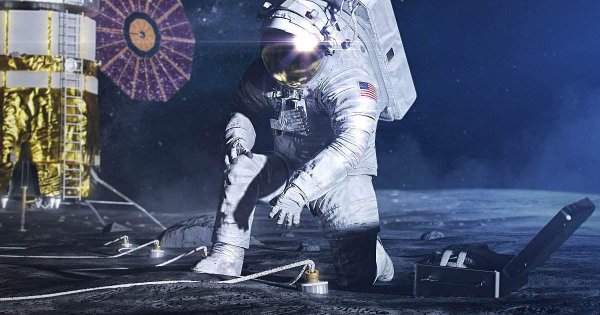
In a move to jumpstart a commercial market for space resources, NASA has formally asked private companies to collect lunar soil and sell it to the agency. The announcement, made today, outlines a process where firms must retrieve rocks from the Moon's surface, document the collection with a photograph, and transfer ownership to NASA.
According to a statement from NASA Administrator Jim Bridenstine, once the material is handed over, it becomes the sole property of the space agency. Bridenstine framed the initiative as a practical application of U.S. policy, saying, "We are putting our policies into practice to fuel a new era of exploration and discovery that will benefit all of humanity."
The agency is targeting the retrieval of the first lunar samples before 2024, aligning with the Artemis program's goal of landing astronauts on the Moon. Companies, whether based in the U.S. or abroad, are eligible to participate. Payment terms are structured in three installments: ten percent upon award, ten percent upon launch, and the remaining eighty percent upon successful completion of the mission. NASA has yet to determine the logistics of physically retrieving the samples from the companies.
The price for the lunar material is set between $15,000 and $25,000, as reported by The Verge. While that sum may seem modest, the underlying objective is to create a precedent for buying and selling space resources, which could pave the way for more extensive commercial activities in space.
Policy Backdrop and Future Implications
The initiative follows an executive order signed by President Donald Trump in April, which called for the U.S. to lead the return of humans to the Moon for long-term exploration and utilization, with an eye toward eventual missions to Mars and beyond. This solicitation is a direct response to that directive, turning policy into procurement.
Industry observers note that the move could set a legal and economic foundation for resource extraction on the Moon and other celestial bodies. However, the relatively low payment amount has sparked discussion about whether it is a symbolic gesture or a genuine incentive for commercial participation.
NASA's approach reflects a broader trend of leveraging private partnerships to reduce costs and accelerate space exploration. The agency has already contracted with commercial providers for cargo and crew transportation to the International Space Station, and this new solicitation extends that model to lunar resources.
As the 2024 deadline approaches, the success of this initiative will depend on the ability of private companies to meet the technical and operational challenges of lunar collection. For now, the announcement serves as a clear signal that NASA intends to integrate commercial entities into its deep-space exploration strategy.