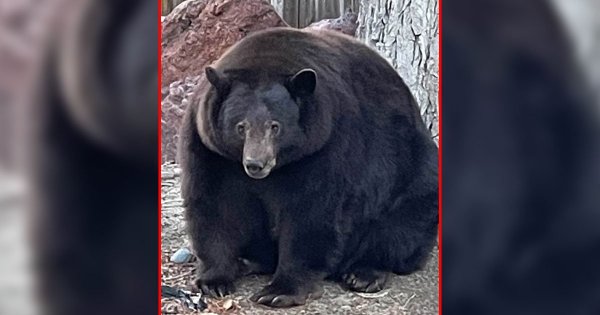
In a surprising turn of events, a 500-pound black bear known as "Hank the Tank" has been cleared of a series of home invasions in California, thanks to DNA evidence that pointed to two other bears as the real culprits. The finding spares Hank from potential euthanasia, a fate that seemed imminent as authorities investigated dozens of break-ins attributed to him.
According to the California Department of Fish and Wildlife, the DNA analysis revealed that at least two other large bears were involved in the incidents, which left a trail of destruction in their wake. This discovery has shifted the focus from Hank to a broader problem of bear-human interactions in the region.
How DNA Changed the Case
Previously, wildlife officials had resorted to paintball guns, Tasers, and sirens to deter Hank, but the bear remained undeterred, driven by an appetite for leftover food and a lack of fear of humans. The new evidence, reported by NPR and The New York Times, suggests that authorities were confusing Hank with the other bears, leading to a misidentification that nearly cost him his life.
Peter Tira, a spokesman for the California Department of Fish and Wildlife, told The Times that the bears are attracted to easy food sources, noting, "It's easier to find leftover pizza than to go in the forest." This statement underscores a growing issue as bears become more accustomed to human presence and the availability of food in residential areas.
Why Bear-Human Conflicts Are Rising
The incident highlights a broader trend of increasing bear-human conflicts, driven largely by habitat loss. As humans encroach on bear territories, animals are drawn to garbage, leftovers, and even small pets, leading to more frequent encounters. The nonprofit Bear Conservation identifies habitat loss as the most significant threat to bear populations worldwide, noting that it reduces their available range and pushes them closer to human settlements.
In Colorado, a safety bulletin from Parks & Wildlife emphasizes that only humans can prevent conflicts with bears, which often enter homes through unlocked windows and doors in search of food. This advice is echoed by wildlife experts who urge residents in bear country to secure trash and remove attractants.
What's Next for Hank and His Crew
While Hank's future is now secure, the fate of the other two bears remains unclear. Authorities are likely to continue monitoring the situation, but the incident serves as a reminder of the complex challenges in managing wildlife in an increasingly urbanized landscape.
For now, Hank and his companions are expected to be relocated to a safer area, away from the temptations of human food. The case also offers a lesson for residents: securing food sources is a simple but effective step to reduce conflicts with bears, ensuring both human safety and animal welfare.