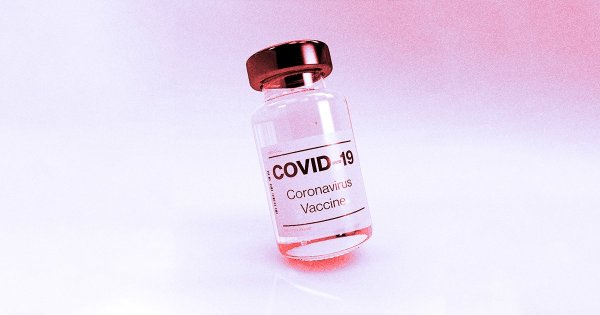
Johnson & Johnson released clinical trial data on its single-shot COVID-19 vaccine, showing strong protection against severe illness and no reported deaths or hospitalizations among vaccinated participants. The company’s findings, published ahead of an FDA review, indicate the vaccine is 85% effective at preventing severe cases of COVID-19, according to The Washington Post.
However, the overall efficacy rate varies by region, with the vaccine performing at 72% in the United States, 66% in Latin America, and 57% in South Africa—where a more transmissible variant has taken hold. These numbers fall short of the near-95% efficacy reported by Pfizer and Moderna, but experts stress that the single-shot regimen and its simple storage requirements could make it a critical tool in the global fight against the pandemic.
Why a One-Dose Vaccine Matters
The most significant advantage of the Johnson & Johnson vaccine is that it requires only one injection, simplifying the logistics of vaccination campaigns. Unlike the two-dose vaccines from Pfizer and Moderna, which need a second appointment weeks later, the single-shot approach reduces the burden on healthcare systems and patients. This speed is especially important as new, more contagious variants spread.
Additionally, the vaccine can be stored at refrigerator temperatures for months, making it far easier to transport and distribute than the ultra-cold storage required by some other vaccines. This could reduce wastage and allow for broader reach, particularly in rural or underserved areas.
Yale University virologist Akiko Iwasaki told STAT News, “We’ve got to get the first dose to as many people as possible. These variants that are more transmissible and potentially even more lethal are on the rise. I think time is really what we’re fighting against.”
Interpreting the Data
Experts caution that direct comparisons between vaccines may be misleading. Iwasaki noted that Johnson & Johnson was the only one of the three companies to exclude mild COVID-19 cases from its efficacy calculations, which may have skewed its results downward. The trial’s focus on severe disease is a meaningful measure, as preventing hospitalizations and deaths is a primary goal of vaccination.
Dr. Jonathan Temte, a vaccine expert at the University of Wisconsin School of Medicine and Public Health, told The Washington Post, “Back in July and August, I was hoping we would see a vaccine that was 60 percent effective—in my mind, that would be great. And now we have had two that have hit the ball out of the park and set expectations spectacularly high, and that’s not fair because we don’t need a home run all the times we’re up to bat.”
The Johnson & Johnson vaccine is expected to apply for emergency use authorization in the coming weeks. If approved, it would become the third COVID-19 vaccine available in the United States, offering a more flexible option for mass vaccination campaigns.
As the pandemic enters a new phase with emerging variants, the availability of a single-shot vaccine could prove pivotal. Its ease of use and storage could accelerate immunization efforts worldwide, even if its overall efficacy is lower than some peers.