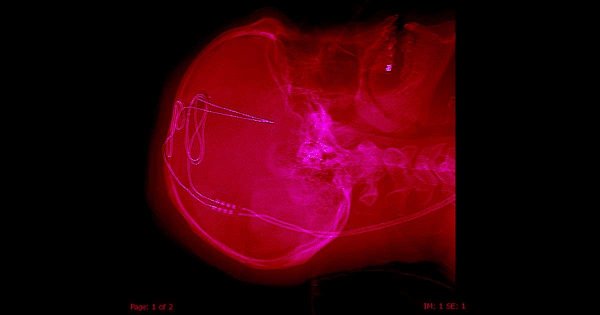
A hotel worker who has battled opioid addiction since age 18, enduring two overdoses and a string of failed treatments, is now part of a pioneering U.S. trial that uses brain implants to curb cravings. Gerod Buckhalter, 33, underwent surgery in November to have an electrode placed in his brain, a procedure led by neurosurgeon Ali Rezai at West Virginia University's Rockefeller Neuroscience Institute.
The approach, known as deep brain stimulation, involves delivering electrical impulses to the region of the brain that governs impulse control. Researchers hope this will help Buckhalter and three other participants manage their opioid cravings. While similar techniques have been used in China to treat addiction to opioids and methamphetamine, this marks the first time such implants have been employed for addiction in the United States.
Buckhalter's history reflects the severity of his condition. He told The Washington Post that he has tried "every type of treatment you could think of," including long-term residential programs and multiple detoxifications, none of which provided lasting relief. His decision to volunteer for the experimental procedure came after conventional options were exhausted.
[IMG_1]
The trial is designed as a small-scale study, but its implications could be significant. If the four initial participants respond well, researchers anticipate launching a larger trial to further assess the therapy's efficacy and safety. However, Rezai emphasizes that this intervention is not a first-line treatment. "This treatment is for those who have failed every other treatment, whether that is medicine, behavioral therapy, social interventions," he told BBC News. He also stressed the rigorous oversight involved, noting that the trial includes "oversight from ethicists and regulators and many other governing bodies."
Why This Trial Matters
The use of brain implants for addiction represents a shift in how severe substance use disorders are approached, particularly for individuals who do not benefit from existing therapies. Opioid addiction remains a public health crisis in the U.S., and while medications like buprenorphine and methadone are effective for many, a subset of patients continue to struggle. This trial offers a potential alternative for those who have not found relief, though it remains highly experimental.
The procedure itself carries inherent risks, including infection, bleeding, and the potential for unintended changes in mood or behavior. Yet for participants like Buckhalter, who have faced a lifelong battle with addiction, the potential benefits may outweigh the risks. His participation could provide valuable data on whether deep brain stimulation can be a viable option for others in similar situations.
As the trial progresses, the medical community will be watching closely. The outcomes could influence future research and potentially expand the use of brain implants to other forms of addiction, such as methamphetamine dependence, which has been the focus of studies in China. For now, the focus remains on the four patients and their response to this novel intervention.
Rezai's caution underscores the ethical considerations inherent in such research. Brain surgery is not undertaken lightly, and the trial's design reflects a careful balance between hope and prudence. With oversight from multiple governing bodies, the study aims to gather robust evidence while prioritizing patient safety.
For Buckhalter, the trial represents a chance to reclaim a life disrupted by addiction. Whether it succeeds remains to be seen, but his willingness to undergo such a procedure highlights the desperation faced by many with treatment-resistant opioid use disorder. The results of this small study could pave the way for new options, offering hope to those who have exhausted conventional paths.