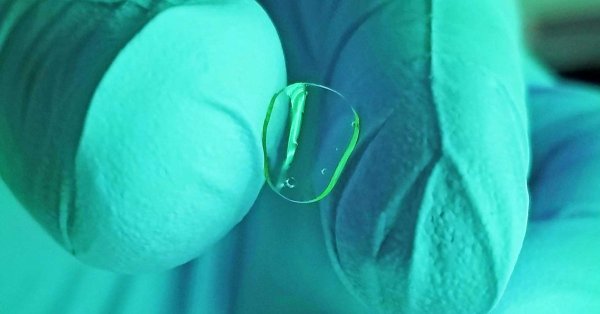
Precise Bio, a bioprinting startup based in North Carolina, says it is on the verge of beginning human trials for 3D-printed corneas, a development that could make them the first printed body part to reach widespread medical use. The company already achieved a milestone in October by transplanting a printed cornea graft into an animal, a first for the field.
The cornea is the transparent tissue covering the front of the eye, shaped like a soft contact lens. It is susceptible to damage from disease or injury, and when it fails, vision is lost. Globally, an estimated 10 million people suffer from corneal blindness, many of them lacking access to effective and affordable treatment, according to Kevin Corcoran, president and CEO of the Eye Bank Association of America.
In a report published Wednesday by IEEE Spectrum, Precise Bio's CEO Aryeh Batt outlined the company's strategy. "We plan to put our printers in eye banks," Batt said. "Physicians can use tissues that are printed, not taken from donors." This approach could bypass the long waiting lists and supply shortages that plague traditional cornea donation.
The company is now focused on securing regulatory approval to launch first-in-human trials. If those trials succeed, the implications for ophthalmology and transplant medicine could be substantial. Unlike other experimental 3D-printed organs, which remain confined to laboratory settings, corneas are a relatively simple structure, making them a practical candidate for early clinical adoption.
Why Corneas Are a Likely First
Corneas are thin, layered, and relatively avascular, meaning they lack blood vessels, which simplifies the bioprinting process. Their structural simplicity compared to complex organs like hearts or lungs makes them an ideal starting point for translating bioprinting from bench to bedside. The success of animal transplants has already demonstrated the feasibility of the approach in a living organism.
Precise Bio's progress is part of a broader wave of research into 3D-printed tissues and organs. Scientists worldwide are exploring ways to print everything from heart tissue to lung scaffolds, but most of these efforts are still in early experimental stages. The cornea, with its well-understood anatomy and clear clinical need, may be the first to cross the finish line.
The potential impact is enormous. For the millions of people living with corneal blindness, a printed cornea could restore sight without the need for a human donor. Eye banks, which currently rely on voluntary donations, could one day host printers that produce tissue on demand, reducing wait times and expanding access in underserved regions.
Precise Bio's timeline for human trials remains contingent on regulatory review. The company has not disclosed specific dates or locations for the trials, but its focus on eye bank integration suggests a model where printing becomes a standard part of corneal transplantation services. If the trials are successful, the path to mainstream use could be shorter than for other bioprinted organs.
As the field advances, the distinction between donor and manufactured tissue may blur. For now, Precise Bio's work represents a tangible step toward a future where the gift of sight is no longer dependent on the availability of donors.