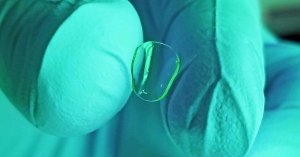
A new study from Israeli researchers shows that stem cells harvested from the mouth of an adult human can help repair severe spinal damage in rats, restoring both movement and feeling in a significant number of cases. The procedure, described in the journal Frontiers in Neuroscience, involved placing the cells onto a biodegradable sponge-like scaffold that was then implanted at the site of the injury.
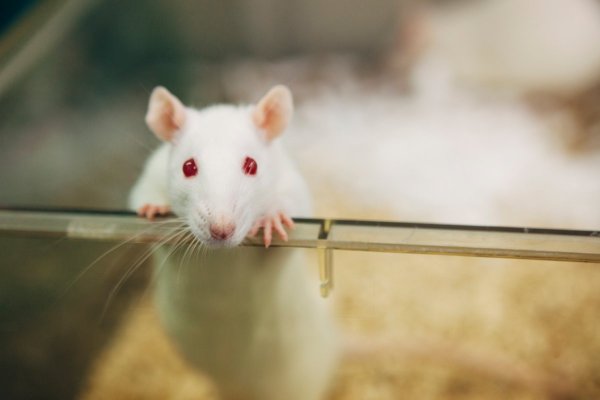
The team, from the Technion Institute of Technology and Tel Aviv University, reported that within two to three weeks, five of the twelve treated rats—42 percent—were able to walk again, moving nearly as well as uninjured animals. The other seven rats showed partial regeneration of the spinal cord, but not enough to qualify as full recovery. In contrast, none of the untreated rats regained movement or sensory perception.
The procedure's success appears to depend on timing. The researchers noted that the surgery was performed shortly after the injury occurred. Waiting longer could allow the damaged spinal tissue to atrophy, which might reduce the chances of recovery.
Why This Matters for Human Treatment
Spinal cord injuries affect thousands of people each year, with roughly 17,000 new cases recorded annually in the United States alone. The Israeli study, funded by the Foundation for Spinal Cord Injury, was designed with the hope of eventually developing a treatment for humans.
Daniel Offen, who led the team from Tel Aviv University, told Business Insider that in the future, hospitals might keep a stock of frozen stem cells to treat patients immediately after a spinal injury. However, he acknowledged that this is still a long way from becoming a reality.
So far, no one has successfully repaired a severed spinal cord in a human. But this study adds to a growing body of research in animals. In 2016, for example, scientists reported a technique that used graphene combined with polymeric ethylene glycol to restore sensory function in rats with spinal injuries. Another team used a system of electrodes, transmitters, and receivers to help paralyzed monkeys walk again.
While many questions remain about how to translate these findings to humans, the variety of approaches being explored—and their promising results in animals—offers a measure of hope for the future.