In a study that could reshape how Alzheimer's disease is approached, scientists at the Queensland Brain Institute (QBI) have demonstrated that focused ultrasound can safely open the blood-brain barrier in mice, allowing the brain's own cleanup cells to remove toxic protein clumps associated with memory loss. The technique restored memory function in 75% of the treated mice, with no damage to surrounding brain tissue.
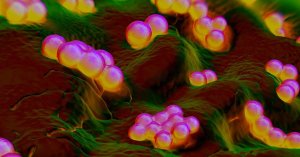
The blood-brain barrier is a protective layer that shields the brain from bacteria and other threats, but it also prevents many therapeutic drugs from reaching their target. By temporarily disrupting this barrier with ultrasound, the QBI team enabled microglial cells—specialized support cells that act as the brain's waste disposal system—to engulf and clear the amyloid plaques that are a hallmark of Alzheimer's pathology.
While the findings are preliminary, they offer a non-invasive avenue that could eventually complement or replace drug-based therapies, which have struggled to cross the barrier effectively. The study's success in mice is a critical first step, but the researchers emphasize that much work remains before this can be considered a treatment for humans.
From Mice to Sheep: Scaling the Approach
The QBI team is now planning to test the ultrasound method in sheep, whose brains are closer in size and complexity to human brains. This intermediate step will help assess safety and efficacy in a larger animal model before any human trials are considered. According to the institute, human clinical trials are slated to begin in 2017, though such timelines often shift as regulatory and logistical hurdles arise.
The choice of sheep is notable: their brain structure and the thickness of the skull present challenges that more closely mimic human conditions, offering a better gauge of how the ultrasound might perform in people.
If the approach holds up in sheep and subsequent human trials, it could provide a new tool for neurologists, particularly for patients who do not respond to existing medications or who suffer from side effects. However, experts caution that the blood-brain barrier is a delicate system, and repeated opening could carry risks that are not yet fully understood.
For now, the QBI study stands as a proof-of-concept that ultrasound—already used in diagnostics and some therapeutic contexts—might be repurposed to tackle one of the most challenging aspects of Alzheimer's: the delivery of treatment to the brain.
The research adds to a growing body of work exploring physical interventions for neurodegenerative diseases, though it remains in the early stages. The 2017 human trial timeline, if met, would mark a significant milestone in translating these findings from the lab to the clinic.