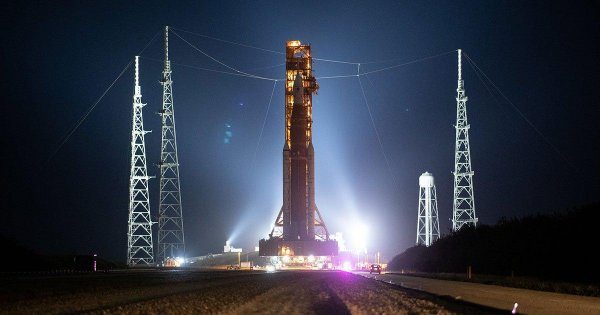
NASA has returned its massive Space Launch System rocket to the launch pad at Kennedy Space Center in Florida, setting the stage for a third attempt to send the uncrewed Orion capsule on a test flight around the Moon. The agency is targeting a 69-minute launch window that opens just after midnight local time on November 14, with backup opportunities on November 16 and 19.
The rocket, which has been in development for over a decade, is central to NASA's Artemis program, which aims to return astronauts to the lunar surface for the first time since the early 1970s. This initial mission, designated Artemis I, will not carry a crew but will test the Orion spacecraft's systems and the rocket's performance in a real flight environment.
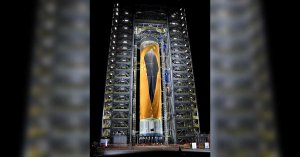
The journey to the pad has been fraught with setbacks. The first launch attempt in late August was scrubbed due to a technical issue, and a second try in early September was called off because of a gas leak. A third attempt was preemptively canceled, and the rocket was rolled back to the Vehicle Assembly Building as Hurricane Ian approached the Florida coast.
Despite the challenges, NASA officials expressed confidence in the vehicle's readiness. “If we weren’t confident, we wouldn’t roll out,” Jim Free, associate administrator for exploration systems development, told reporters last week. The decision to move the rocket back to the pad signals that the agency believes the issues have been resolved.
One new variable for this attempt is the nighttime launch, which will reduce visual references for tracking. Cliff Lanham, senior vehicle operations manager at NASA, acknowledged the added complexity but noted that infrared cameras and a network of other cameras will provide coverage. “The visual references obviously are what you lose, in terms of launching at night, but obviously we have [infrared cameras],” he said during a press conference.
Weather could also play a role. According to Weather.com meteorologist Chris Dolce, November generally offers more favorable launch conditions than the storm-prone summer months, which could improve the odds of a successful liftoff.
Why This Launch Matters
The Artemis I mission is a critical step in NASA's plan to establish a sustainable presence on the Moon. The uncrewed flight will test the Orion capsule's heat shield, life support systems, and communication capabilities during a journey around the Moon and back. A successful mission would pave the way for a crewed Artemis II flight, which could come as early as 2024.
However, the program has faced criticism for cost overruns and delays. The SLS rocket, which is the most powerful ever built, has been in development for more than a decade and has consumed billions of dollars. NASA officials have defended the program, arguing that the technology is essential for deep-space exploration.
For now, the space agency is focused on the immediate goal: getting Artemis I off the ground. The launch window opens at 12:04 a.m. EST on November 14, and the world will be watching to see if the rocket finally lifts off.